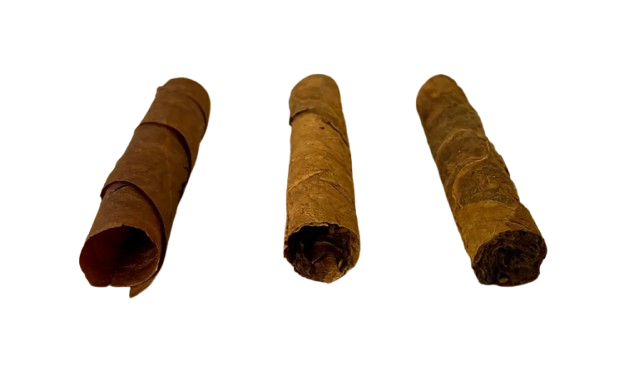
Cameroon vs Connecticut Wrapper — and How It Stacks Up Against Maduro, Sumatra and Candela
Colour, tooth, texture, flavour and body, compared side by side. Written by a Cameroon leaf producer — so you’ll get the honest version, including where the other wrappers win.
Cameroon and Connecticut Shade are both mild wrappers, but they differ in texture and flavour. Connecticut is silky, almost veinless and creamy. Cameroon is visibly toothy, slightly darker, more elastic and adds a warm woody spice. Choose Connecticut for a delicate creamy cigar, Cameroon when you want more character and aroma without extra strength.
Cameroon vs Connecticut is the comparison blenders ask about most, and it’s a fair fight. Both are mild. Both are shade-grown. Both sit comfortably over Nicaraguan or Dominican filler.
The difference is what happens on the tongue and under the fingertips. Connecticut is the diplomat — smooth, quiet, elegant. Cameroon is the spice accent — more texture, more aroma, a touch more grip.
Below: the direct comparison first, then how each stacks up against Maduro, Sumatra and Candela, then a straight answer on which to pick.
The Short Verdict
You want a mild, creamy, elegant cigar where the wrapper almost disappears — silky mouthfeel, clean lines, low spice.
You want mild-to-medium with more texture and aroma — fine tooth, warm woody spice, stronger elasticity for easier rolling.
The brief is sweet, dark and full — cocoa, earth and body, with the wrapper doing the heavy lifting.
Connecticut is smooth and understated; Cameroon is toothy and characterful. Same strength bracket, different personality entirely.
Cameroon vs Connecticut Wrapper
Both are shade-grown mild wrappers, which is why they get compared. But the growing conditions diverge sharply — Connecticut Shade is grown under manufactured shade tents in the Connecticut River Valley, while Cameroon wrapper grows under natural highland cloud cover in western Cameroon.
That difference in light intensity and leaf structure shows up in every measurable way.
| Attribute | Cameroon | Connecticut Shade |
|---|---|---|
| Origin | Western highlands, Cameroon | Connecticut River Valley, USA |
| Growing method | Natural highland cloud cover | Manufactured shade tents |
| Colour | Light to medium colorado brown | Golden blond to pale tan |
| Texture | Fine, even tooth — visibly grained | Silky, smooth, near-veinless |
| Oil / sheen | Noticeable satin sheen | Soft matte to light sheen |
| elasticity | High — forgiving on the rolling table | Moderate — tears more easily |
| Veins | Fine but present | Very fine, often invisible |
| Flavour | Neutral-sweet, woody, warm spice | Creamy, mild, faintly nutty |
| Body contribution | Mild to medium | Mild |
| Aroma | Pronounced — tooth holds oil | Subtle and clean |
| Burn | Even, firm grey-white ash | Even, thin ash |
| Price bracket | Premium, tight supply | Premium, broader supply |
| Best with | Nicaraguan or Dominican filler | Mild Dominican filler |
The three differences that matter
1. Tooth and aroma
Cameroon’s fine tooth holds essential oils at the surface, and those oils release aroma as the cigar burns. Connecticut’s smooth surface carries far less — it burns clean and quiet rather than perfumed. This is the single biggest sensory gap between them.
2. Elasticity on the rolling table
Cameroon wrapper stretches noticeably before it tears. Connecticut Shade is more delicate, and an inexperienced roller will lose more leaf to splits. For a factory running high throughput, that elasticity is worth real money in reduced waste.
3. Flavour contribution
Connecticut is designed to be nearly transparent — it flatters a blend without adding much of its own identity. Cameroon adds warm woody spice and a soft sweetness that a blender can taste in the finished cigar. Neither is better. It depends whether you want the wrapper as a supporting player or a featured one.
Connecticut wins on smoothness and subtlety. Cameroon wins on texture, aroma, elasticity and character. If your blend can carry extra spice, take Cameroon. If the wrapper needs to stay invisible, take Connecticut.
Side-by-Side Scorecard
Rated relatively within this comparison — five bars is strongest of the two, not an absolute score.
Cameroon Wrapper
Cameroon · Shade-grownConnecticut Shade
USA · Shade-tent grownNote the supply line. It’s the practical reality of this comparison: Connecticut is easier to buy in volume, Cameroon is harder to get and rewards you for planning ahead. That’s not a flaw in the leaf — it’s a function of how much wrapper Cameroon actually produces.
Cameroon vs Maduro Wrapper
This comparison gets muddled constantly, because Cameroon can be maduro. “Maduro” describes a fermentation and colour outcome, not an origin — so the fair read is: classic Cameroon wrapper versus a dark maduro wrapper, whether that maduro is Cameroon, Connecticut Broadleaf or another leaf.
| Attribute | Cameroon (classic) | Maduro |
|---|---|---|
| Colour | Light to medium colorado | Dark brown to near-black |
| Fermentation | Moderate | Extended, hotter, longer |
| Texture | Fine tooth, elastic | Thick, rustic, less elastic |
| Flavour | Neutral-sweet, woody spice | Sweet, cocoa, molasses, earth |
| Body | Mild–medium | Medium–full |
| Rolling difficulty | Lower | Higher — more breakage |
| Best for | Balanced, characterful cigars | Sweet, rich, full-bodied cigars |
The honest summary: maduro gives you more sweetness and body, Cameroon gives you more texture and versatility. Maduro is a statement. Cameroon is a conversation.
Worth knowing: Cameroon maduro exists — the same leaf, fermented longer and hotter. It lands between the two columns above: darker and sweeter than classic Cameroon, but with that fine tooth retained. Ask specifically which you’re being quoted.
Not really rivals. Maduro is a flavour destination; Cameroon is a flexible workhorse with its own aromatics. Many blenders use both — Cameroon as a spicy wrapper, maduro for their full-bodied lines.
Sumatra vs Cameroon Wrapper
This is the closest comparison on the page, because the two are genuinely related. Cameroon wrapper genetics trace back to Sumatran seed introduced during the colonial period. Think of them as cousins raised in different climates.
| Attribute | Cameroon | Sumatra |
|---|---|---|
| Genetics | Sumatran seed lines, adapted | Native Sumatran seed lines |
| Origin | Cameroon highlands | Indonesia, mainly Sumatra and Java |
| Colour | Lighter colorado | Medium to darker brown |
| Tooth | Finer, more even | Coarser, more pronounced grain |
| Elasticity | Higher | Moderate |
| Flavour | Neutral-sweet, woody spice, cleaner finish | Earthy, spicy, sometimes leathery |
| Body | Mild–medium | Mild–medium, sometimes fuller |
The practical difference: Cameroon reads cleaner and finer, Sumatra reads earthier and slightly rougher. If you like Sumatra but find it coarse, Cameroon is the upgrade. If you like Sumatra’s earthiness, Cameroon will feel too polite.
Same family, different upbringing. Cameroon for a finer, cleaner, more elastic wrapper; Sumatra for earthier character and generally easier availability.
Difference Between Cameroon and Candela Wrapper
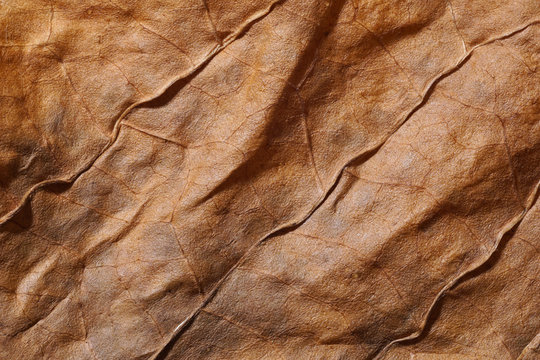
Candela — also called double claro or American Market Selection — is the green cigar wrapper, and it’s frequently confused with Cameroon in writing because both occupy the “mild” shelf. They are not variations of each other. They are made by opposite processes.
| Attribute | Cameroon | Candela |
|---|---|---|
| Colour | Light to medium brown | Pale green to yellow-green |
| Core process | Air-cured, then fermented | Heat-cured fast to lock in chlorophyll |
| Why the colour | Fermentation converts pigments to brown | Rapid heat curing prevents pigment conversion |
| Fermentation | Essential — weeks to months | Minimal to none |
| Texture | Fine tooth, oily, elastic | Thin, smooth, little tooth |
| Flavour | Neutral-sweet, woody spice | Grassy, vegetal, bright, mild |
| Body | Mild–medium | Mild |
| Typical use | Premium balanced blends | Traditional and novelty mild cigars |
The key takeaway: candela is a curing choice, not an origin. In theory, Cameroon leaf heat-cured fast would be green too — it just isn’t done, because fermentation is what creates the flavour Cameroon wrapper is bought for. Treat these as two different products, not two shades of the same thing.
All Five Wrappers at a Glance
| Wrapper | Colour | Texture | Flavour | Body |
|---|---|---|---|---|
| Cameroon | Light colorado | Fine tooth, oily | Neutral-sweet, woody spice | Mild–medium |
| Connecticut Shade | Golden blond | Silky, smooth | Creamy, mild | Mild |
| Sumatra | Medium brown | Toothy, coarser | Earthy, spicy | Mild–medium |
| Habano | Reddish brown | Smooth, oily | Peppery, rich | Medium–full |
| Maduro (Broadleaf) | Dark brown–black | Thick, rustic | Sweet, cocoa, earth | Medium–full |
| Candela | Pale green | Thin, smooth | Grassy, bright, mild | Mild |
Colour chips, side by side
Which Wrapper Should You Use?
Pick by what the finished cigar needs to say.
Choose Cameroon when
- You want mild-to-medium with visible texture and real aroma
- The blend needs a warm woody-spice accent without added strength
- Rolling throughput matters and you want the more forgiving leaf
- You’re building a premium line with a distinctive wrapper story
Choose Connecticut Shade when
- The brief is creamy, elegant and deliberately understated
- You want the wrapper to stay visually uniform across the box
- You need reliable, large-volume supply at short notice
Choose Maduro when
- You want sweet, dark, full-bodied cocoa and earth
- The wrapper is meant to be the headline, not the accompaniment
- You can absorb slower rolling and higher leaf breakage
Choose Sumatra when
- You want Cameroon’s family character but earthier
- Supply consistency matters more than finesse of tooth
Choose Candela when
- You want a traditional green wrapper and a bright grassy profile
- You’re producing for a market that specifically favours the style
Sourcing and Cost
Prices move with grade, leaf size, tooth quality, fermentation spec and crop year — so treat any published figure with suspicion. What matters more is availability and lead time.
| Wrapper | Availability | Lead time | Where to source |
|---|---|---|---|
| Cameroon | Tight — wrapper is a small share of the crop | Long; crop is often committed pre-harvest | Grower-direct or specialist trader |
| Connecticut Shade | Broad, well-established supply chain | Shorter, stock commonly held | Major leaf dealers |
| Sumatra | Broad | Shorter | Major leaf dealers |
| Habano | Broad | Shorter | Major leaf dealers |
| Maduro | Depends on underlying leaf | Moderate — longer fermentation | Dealers or growers |
| Candela | Narrow — few producers | Varies | Specialist suppliers |
If you may want Cameroon wrapper this year, ask now. Fermentation runs for months and good grades are contracted before harvest. Buyers who enquire in January get the bale; buyers who enquire in June get what’s left — or next season’s crop.
Wrapper Comparison — FAQ
What’s the difference between Cameroon and Connecticut wrapper?
Cameroon is toothier, slightly darker, more elastic and adds warm woody spice and noticeable aroma. Connecticut Shade is silkier, lighter, more delicate and contributes a creamy, understated flavour. Both are mild; Cameroon sits a touch higher in body.
Is Cameroon wrapper stronger than Connecticut?
Only marginally. Cameroon contributes mild-to-medium body versus Connecticut’s mild. The bigger difference is character, not strength — Cameroon adds spice and aroma where Connecticut stays neutral.
Can Cameroon tobacco be maduro?
Yes. Maduro is a fermentation and colour outcome, not an origin. Cameroon maduro is the same leaf fermented longer and hotter, producing a darker, sweeter wrapper that retains the fine Cameroon tooth.
Is Cameroon wrapper the same as Sumatra?
Related, not the same. Cameroon wrapper genetics trace back to Sumatran seed, but Cameroonian highland conditions produce a finer tooth, lighter colour and more elastic leaf than the same genetics yield in Indonesia.
What’s the difference between Cameroon and candela wrapper?
They’re made by opposite processes. Cameroon is air-cured then fermented, which turns the leaf brown and develops its flavour. Candela is heat-cured quickly to lock in chlorophyll, leaving it green with a grassy profile and minimal fermentation.
Which wrapper is easier to roll?
Cameroon, generally. Its higher elasticity means it stretches before tearing, so rollers lose less leaf to splits. Connecticut Shade is more delicate, and maduro is the least elastic of the three because extended fermentation stiffens the leaf.
Which is more expensive, Cameroon or Connecticut wrapper?
Both are premium-priced wrappers, and the real variables are grade, leaf size, tooth quality and crop year rather than origin alone. Cameroon supply is tighter, so availability — not just price — is often the deciding factor.
Can I get samples of both to compare?
We supply Cameroon wrapper samples directly. For Connecticut or Sumatra, you’d source from a dealer in those origins — but comparing them side by side on your own grading table is the fastest way to settle the decision.
Compare Them on Your Own Table
We’ll send a Cameroon wrapper sample and a full grade sheet — tooth, colour, elasticity, fermentation spec and crop year. Judge the leaf, not the description.