The Cameroon Wrapper: Characteristics, Flavour and Tooth
Fine tooth. Oily sheen. A colour that sits between gold and chocolate. Here’s what makes the Cameroon wrapper behave the way it does — and how to tell a genuine one from a leaf wearing its name.
A Cameroon wrapper is the outer cigar leaf grown in Cameroon’s western highlands, prized for its fine tooth, oily sheen, light colorado colour and neutral-sweet flavour. It stretches without tearing, burns evenly and adds complexity to a blend without overpowering it — which is why cigar makers pay a premium for it.
Wrapper is the most expensive part of a cigar and the part you taste most directly. It’s also the part buyers scrutinise hardest — because a wrapper either behaves or it doesn’t.
The Cameroon wrapper behaves. That’s its whole reputation in one word. It has enough elasticity to wrap a bunched cigar without splitting, enough oil to carry aroma through the burn, and enough restraint in flavour to sit over almost any filler blend.
This page covers what the wrapper is, every characteristic that defines it, its flavour profile, the three colour grades, and how to source it. If you want the leaf’s full story — history, growing regions, fermentation — read the complete guide to Cameroon tobacco.
What Is a Cameroon Cigar Wrapper?
A wrapper is the single leaf rolled around the outside of a finished cigar. It determines how the cigar looks, how it feels in the hand, how it burns and — more than any other component — what you taste first.
A Cameroon wrapper is that leaf grown in Cameroon. Specifically, it’s shade-grown tobacco from the western highlands, fermented and hand-graded for use as wrapper rather than binder or filler.
Why it’s called “African Cameroon”
You’ll see the phrase African Cameroon wrapper used in trade listings and on cigar bands. It isn’t a separate product — it’s disambiguation. The word “Cameroon” is also a country name and a common search term, so the trade adds “African” to make clear that the leaf originates from the Central African growing region rather than being a style, brand or blend name.
When you see it, read it as: this leaf was grown in Cameroon.
Wrapper is not filler
Worth stating plainly, because buyers get sold the wrong thing. Wrapper leaf is a different crop and a different grade from filler:
- Wrapper — shade-grown, thin, elastic, near-perfect surfaces, high price.
- Binder — structural leaf, can carry minor imperfections.
- Filler — blended for flavour and burn, sold by weight, cheapest per kilo.
Bales are graded and sold separately. If someone quotes you a single “Cameroon tobacco” price with no grade, ask what you’re actually being sold.
Characteristics of a Cameroon Wrapper
Six properties define the leaf. Together they’re what a buyer means by “characteristics of a Cameroon wrapper” — and each one is checkable at a grading table.
| Characteristic | What it looks and feels like | Why it matters |
|---|---|---|
| Tooth | Fine, even, sand-like grain across the surface | Holds oils; carries flavour through the burn |
| Oil / sheen | A soft satin gloss, not a wet shine | Signals proper fermentation and good aroma |
| Colour | Light to medium colorado brown, even across the leaf | Evenness is the mark of good grading and curing |
| Elasticity | Stretches noticeably before it tears | Lets it wrap a bunched cigar without splitting |
| Veins | Fine, flat, supple — not raised or woody | Prominent veins disrupt burn and finish |
| Burn | Clean and even, with a firm grey-white ash | The test that separates good leaf from pretty leaf |
Hold a wrapper leaf to the light: you should see fine, evenly distributed grain. Then stretch it gently between both hands — it should give before it tears. Blotchy grain or a leaf that snaps has been badly cured or badly stored.
Cameroon Wrapper Tooth
Tooth is the single most distinctive feature of the leaf, and the hardest to fake.
It’s the microscopic, sand-like grain you can see on the surface of the wrapper — visible under raking light and tactile under a fingertip. Tooth is not a defect. It’s the physical structure that holds essential oils in and on the leaf.
Those oils are what release aroma as the cigar burns. A wrapper with rich, fine tooth will perfume the smoke in a way a smooth, flat leaf simply cannot.
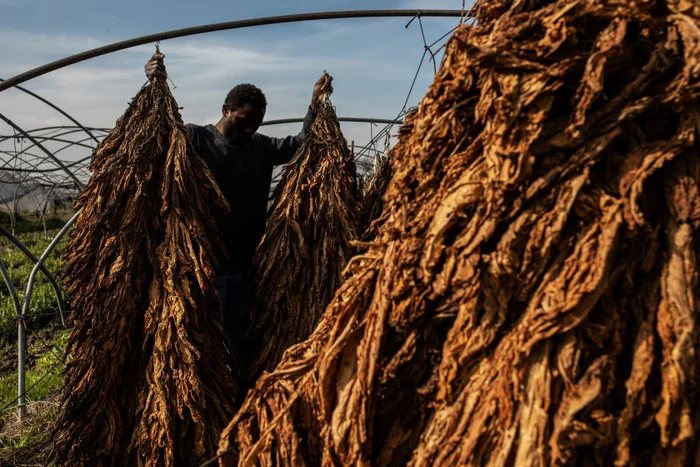
Fine tooth vs coarse tooth
Not all tooth is equal:
- Fine, even tooth — dense, uniform, small grain. This is premium wrapper. It holds oil and burns cleanly.
- Coarse or patchy tooth — uneven grain, sometimes with raised nodules. Usually a sign of the leaf sitting too low on the stalk, or of sun stress. Sold as binder or downgraded wrapper.
Cameroon’s fine tooth is the product of highland cloud cover and a thin, slow-grown leaf. The same genetics grown in harsher sun produce a coarser surface — which is one of the reasons the leaf doesn’t reproduce convincingly elsewhere.
Why Is a Cameroon Wrapper Lighter in Colour?
Buyers coming from Connecticut Shade or Maduro Broadleaf often ask why Cameroon sits so much lighter than they expected. Two reasons, and neither is a weakness.
1. Natural cloud cover, not direct sun
In Cameroon’s western highlands, the crop grows through a season of persistent haze and cloud. That diffuse light means the leaf develops a thin, supple structure closer to a shade-grown leaf than to a sun-cured one.
Less direct sunlight means less chlorophyll and less of the sun-driven darkening that produces deep browns in exposed leaf. You get a lighter leaf with a finer surface.
2. Moderate fermentation
Colour is also a function of fermentation duration. Cameroon wrapper is typically fermented to a colorado shade — deep enough to be flavourful, short enough to keep the leaf light and elastic. Push the same leaf through a long, hot fermentation and it turns dark brown and sweeter. That product exists, and it’s called Cameroon maduro — but it isn’t what most buyers mean by the classic Cameroon wrapper.
A lighter Cameroon wrapper isn’t under-fermented or unfinished. It’s the leaf at its intended colour — and the lighter shade is part of why it pairs so flexibly with different fillers.
Cameroon Wrapper Flavour and Taste
The defining quality of Cameroon wrapper flavour is restraint. It contributes character without taking over the cigar.
| Stage | What you get |
|---|---|
| Cold aroma | Sweet hay, dried wood, a hint of warm spice |
| First third | Neutral-sweet entry, soft woody notes, gentle earth |
| Middle | Warm spice develops; faint cocoa and toast in maduro grades |
| Finish | Dry, clean and lingering — rarely bitter or harsh |
| Body contribution | Mild to medium |
What it pairs with
Because the wrapper is neutral-sweet rather than assertive, it works over a wide range:
- Nicaraguan filler — the wrapper rounds off the pepper and adds sweetness. Classic pairing.
- Dominican filler — leans creamy; the wrapper adds spice and structure.
- Cameroon or African filler — a fully regional cigar, earthier and softer overall.
What changes the taste
Three variables move Cameroon wrapper taste more than anything else:
- Fermentation length — more time equals darker colour, sweeter and fuller flavour.
- Stalk position — upper priming leaves are stronger and more aromatic than lower ones.
- Filler choice — the wrapper is a seasoning, not the meal. A heavy filler will dominate it.
If you want the Cameroon wrapper to be the story, keep the filler mild and the ring gauge moderate — more wrapper surface relative to filler volume. If you want balance, this is one of the most forgiving wrappers you can build around.
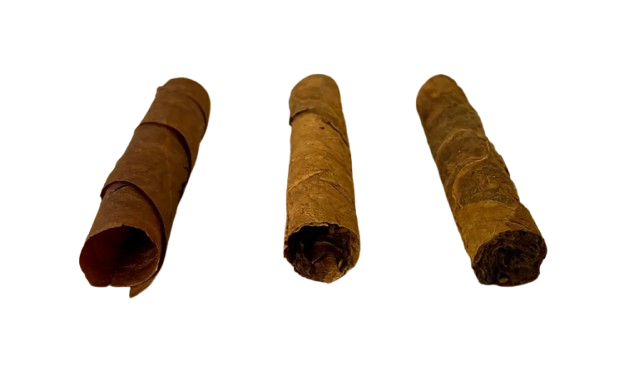
Natural, Colorado and Maduro
Three colour grades come out of a Cameroon crop. The difference is primarily fermentation, not the plant.
Which grade to choose
| If you want… | Choose |
|---|---|
| Classic Cameroon character, maximum elasticity | Natural |
| More colour and depth without going dark | Colorado |
| A sweet, aromatic, full-bodied smoking experience | Maduro |
| High-speed rolling with minimal breakage | Natural or Colorado |
One practical warning: maduro is harder to roll. Extended fermentation makes the leaf less elastic, so expect more breakage and slower production on the rolling table. Factor that into your cost per cigar, not just the price per bale.
How the Cameroon Wrapper Compares
A quick orientation. The detailed side-by-side, with blend recommendations, lives in our full wrapper comparison.
| Wrapper | Colour | Texture | Flavour | Body |
|---|---|---|---|---|
| Cameroon | Light colorado | Fine tooth, oily, elastic | Neutral-sweet, woody spice | Mild–medium |
| Connecticut Shade | Golden blond | Silky, very smooth | Creamy, mild, delicate | Mild |
| Sumatra | Medium brown | Toothy, coarser grain | Earthy, spicy | Mild–medium |
| Habano | Reddish brown | Smooth, oily | Peppery, rich | Medium–full |
| Maduro Broadleaf | Dark brown–black | Thick, rustic | Sweet, cocoa, earth | Medium–full |
| Candela | Pale green | Smooth, thin | Grassy, mild, bright | Mild |
Two distinctions buyers mix up most often:
- Cameroon vs Connecticut — both mild, but Connecticut is silkier and creamier while Cameroon is toothier and spicier. See the comparison.
- Cameroon vs Candela — this isn’t a competition between similar leaves. Candela is a green, heat-cured style; Cameroon is a fermented brown wrapper. Different processes entirely, not different shades of the same thing.
Sourcing Cameroon Wrapper Leaf
Wrapper is the tightest part of the Cameroon supply. Here’s what shapes availability and price.
What drives the price
- Colour grade — even colour across the bale commands a premium; blotchy leaf gets downgraded.
- Leaf size and usable surface — wrapper is priced on wrap yield, not raw weight.
- Tooth quality — fine, uniform grain is what buyers are paying for.
- Crop year — older leaf that’s been properly stored can be excellent; undocumented leaf is a gamble.
- Fermentation spec — maduro takes longer in the pile, so it costs more to produce.
- Volume and destination — freight, phytosanitary certification and documentation all add to landed cost.
Ordering grower-direct
Wrapper leaf is graded by hand, and the grading is the product. Buying direct from the grower gives you:
- Traceability to crop year, farm and priming
- Fermentation time and turning schedule in writing
- A sample bale before you commit to volume
- One fewer margin in the price
Cigars That Use a Cameroon Wrapper
Cameroon wrapper appears most famously on the Arturo Fuente Hemingway and Don Carlos lines, on selected CAO Cameroon and L’Anniversaire Cameroon releases, and across a long tail of boutique and regional brands.
It’s also widely used by smaller factories and private-label producers — often the same leaf, unbranded. If you’re building your own line, that’s the most direct route to a Cameroon-wrapped cigar under your own name.
For a look at the classic banded releases and what to check when you buy them, see our guide to the best Cameroon cigars.
Cameroon Wrapper — FAQ
What is a Cameroon wrapper?
The outer leaf of a cigar, grown in Cameroon’s western highlands and prized for its fine tooth, oily sheen, light colorado colour and neutral-sweet flavour. It’s elastic enough to roll without splitting and burns cleanly.
What does a Cameroon wrapper taste like?
Neutral to lightly sweet, with soft woody and warm spice notes and a dry, clean finish. It’s a mild-to-medium wrapper that adds complexity without overpowering the filler blend.
Why is a Cameroon wrapper lighter in colour?
It grows under natural cloud cover rather than direct equatorial sun, and is typically fermented to a colorado shade rather than a long dark ferment. Both factors keep the leaf lighter and finer than a sun-grown or heavily fermented wrapper.
What is Cameroon wrapper tooth?
The fine, sand-like grain on the leaf surface. It holds essential oils that release aroma as the cigar burns. Fine, even tooth is a mark of premium wrapper; coarse or patchy tooth usually means the leaf was downgraded to binder.
Is African Cameroon wrapper different from Cameroon wrapper?
No — it’s the same leaf. “African Cameroon” is simply how the trade labels it to make clear the leaf comes from the Central African growing region, since “Cameroon” is also a country name and a common search term.
Is Cameroon wrapper the same as Sumatra?
Related but not identical. Cameroon wrapper genetics trace back to Sumatran seed, but Cameroonian soil and cloud cover produce a finer tooth, lighter colour and more elastic leaf than the same genetics yield in Indonesia.
How much does Cameroon wrapper leaf cost?
Pricing depends on colour grade, leaf size, tooth quality, fermentation spec and crop year, and is quoted per bale or per kilo. Send your spec — grade, volume and destination port — and we’ll return a grade sheet and quote the same week.
Can I buy Cameroon wrapper leaf in small quantities?
Yes. Our bales are MOQ-friendly for boutique producers and we supply sample bales for evaluation before you commit to volume. Larger crop contracts are available for established factories.
Put a Real Cameroon Wrapper on Your Cigar
Grower-direct wrapper leaf, hand-graded in Cameroon and shipped with full export documentation. Tell us your grade, volume and destination and we’ll send a sample and a quote.